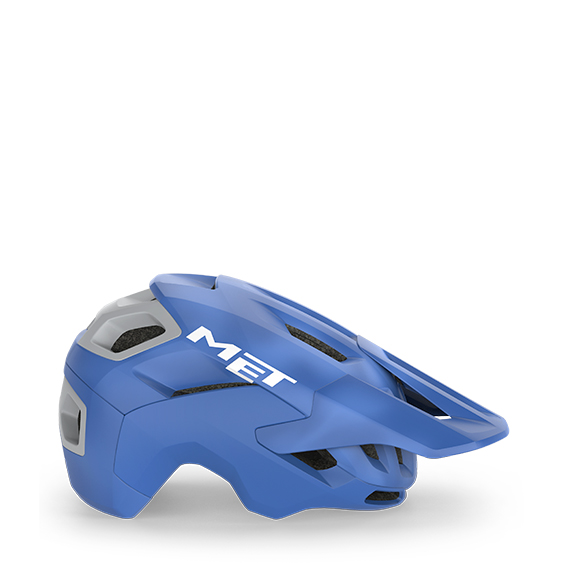
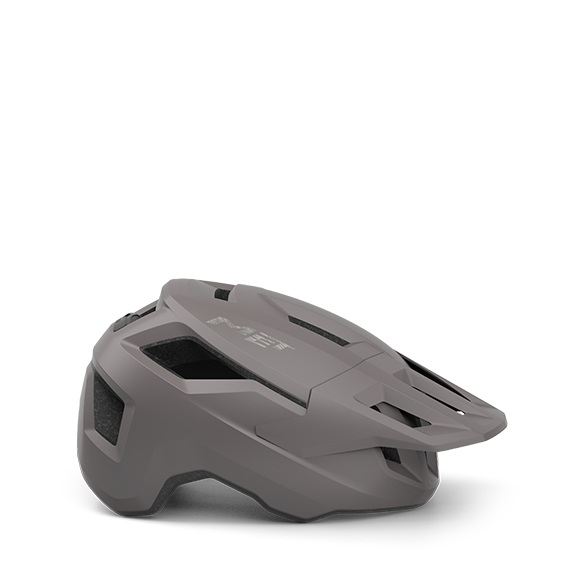
The trail beneath your tires is older than you think
Fossil Fern
We like to think we understand the trail. Grip, speed, line choice. Read it right, ride it fast. Simple.
Except it isn’t.
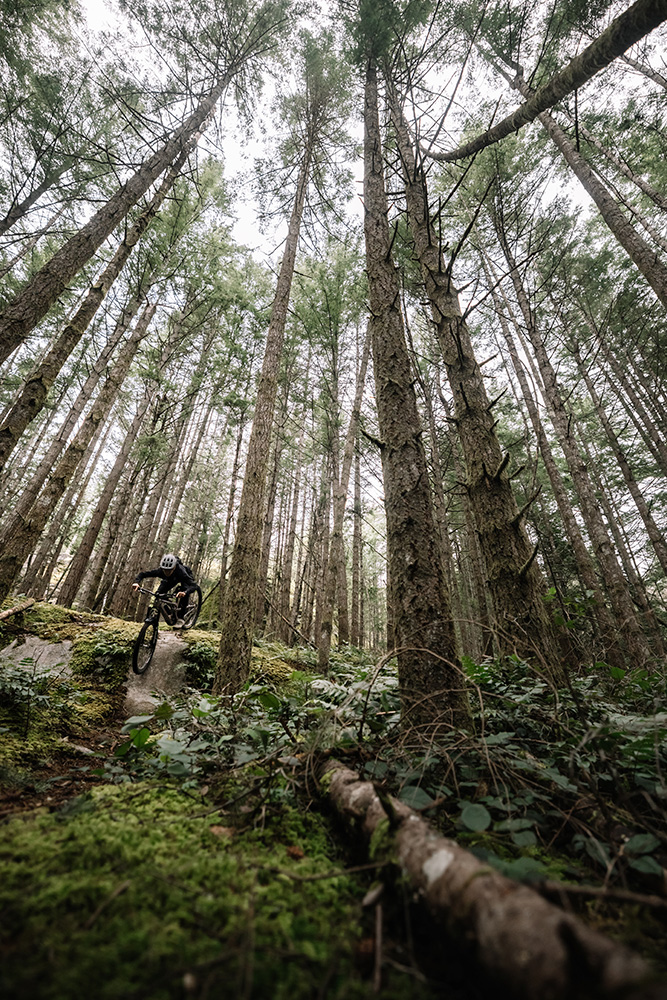
Because what you’re riding on isn’t just dirt and rock. It’s structure and history. Material that has been transported, buried, compressed, fractured, and exposed again over timescales that make your fastest descent irrelevant. That hardpacked earth you trust without thinking is compacted sediment, particles forced together until they behave as one surface. The loose layer on top is younger, less stable, still in transit. Same trail, different stages of formation.
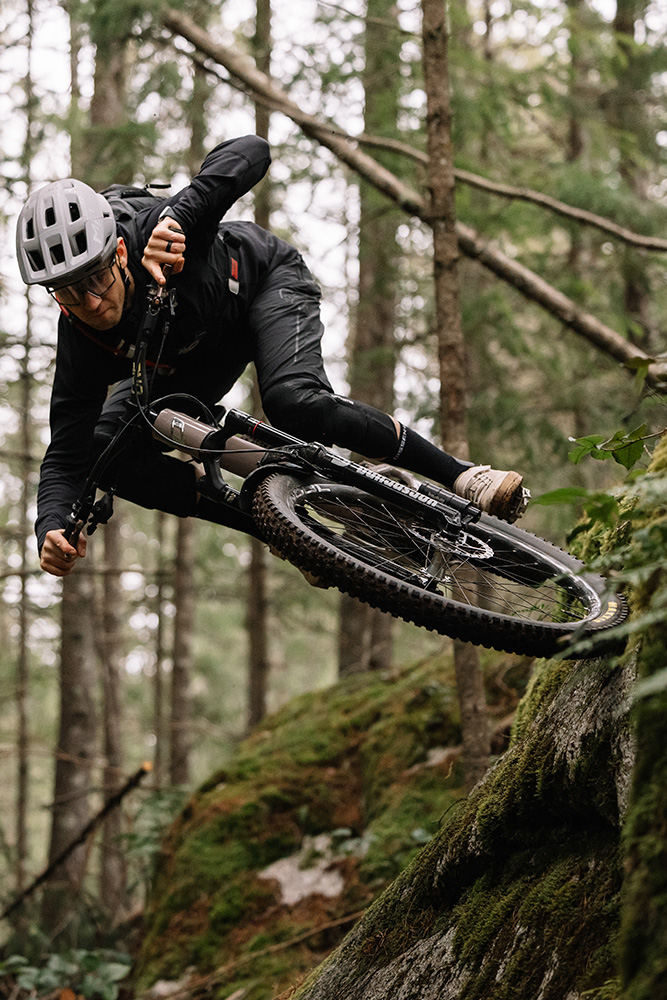
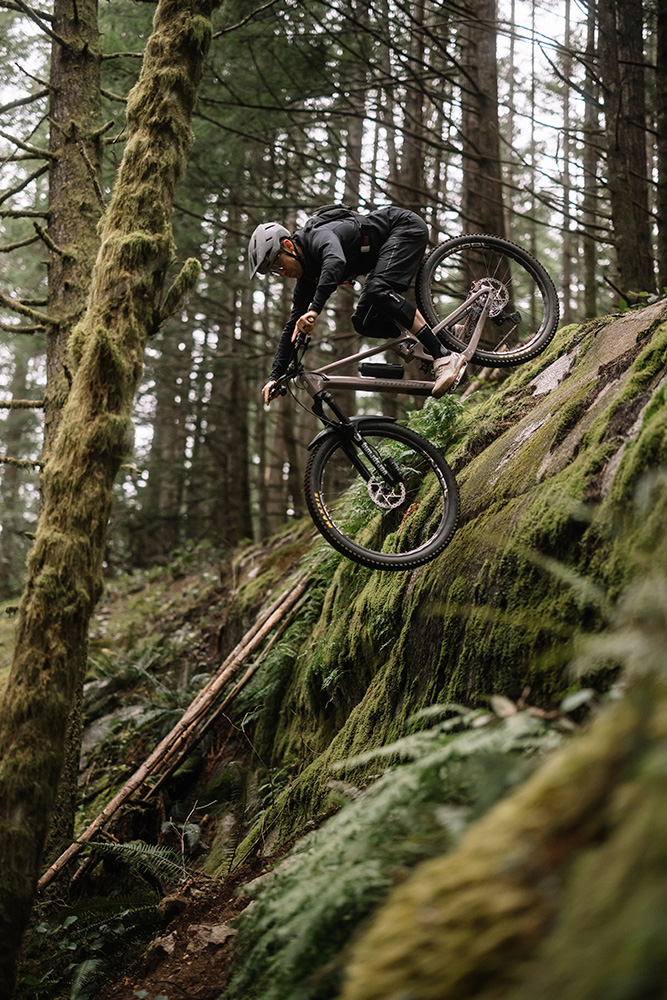
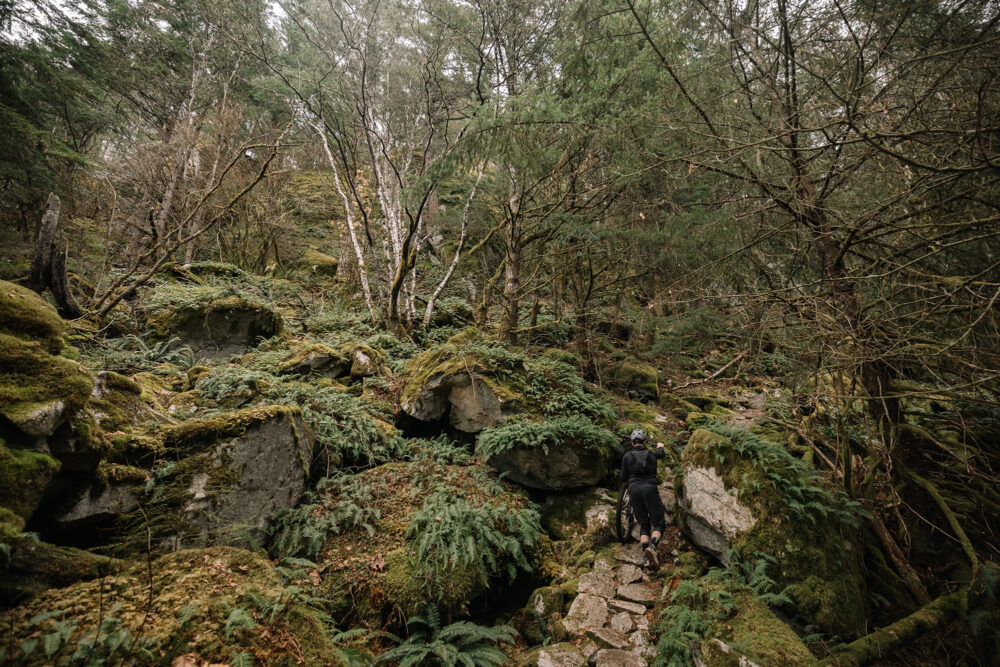
And the rocks are not random either. Those clean slabs that feel predictable under your tyres follow bedding planes, the boundaries between ancient layers of sediment. Laid down, buried, then lifted and exposed, what feels like flow is often just geology working in your favour.
Until it doesn’t. Because the same structures that create grip also define where things fail. Water gets into cracks, freezes, expands, and forces rock apart. Edges sharpen. Blocks loosen. What felt fixed starts to move.
That is the part most riders miss. Trails are not static. They are continuously reworked by the same processes that formed them. Compaction, erosion, fracture, transport. The ground is always transitioning, even if you don’t see it.
And sometimes, that process leaves something behind: a pattern that looks too deliberate, a curve that is not a crack, the outline of something that used to be alive. A fossil is not an anomaly but the same system, paused. Sediment settles, organic material is buried before it disappears, and pressure gradually turns it into a record locked into the rock you are now riding over.
Which means that loose corner you nearly lost the front in might once have been a seabed. That slab you trust may have formed around compressed layers of life. You are not just riding terrain. You are riding processes.
Most of the time, you don’t think about it. You ride what’s in front of you, trust what holds, and adjust when it doesn’t. But understanding what the ground is made of, how it forms and how it fails, makes those decisions sharper. Because reading a trail is not instinct alone. It is pattern recognition, backed by physics, shaped by geology, and refined at speed.
And beneath all of it, whether you notice it or not, is time.