The easy gains are gone
From TUBE to the Tour de France
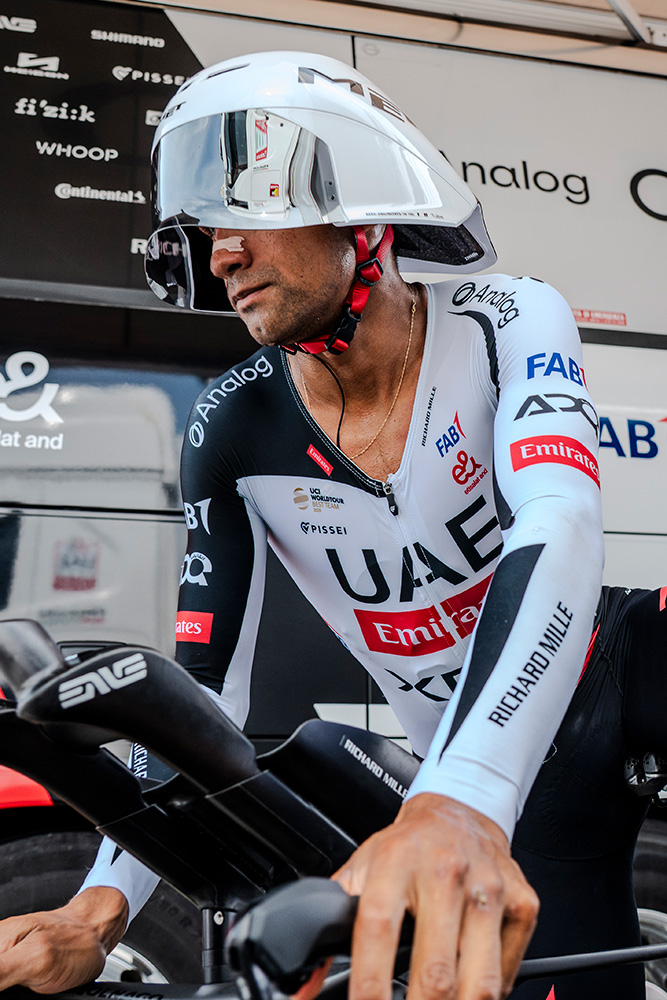
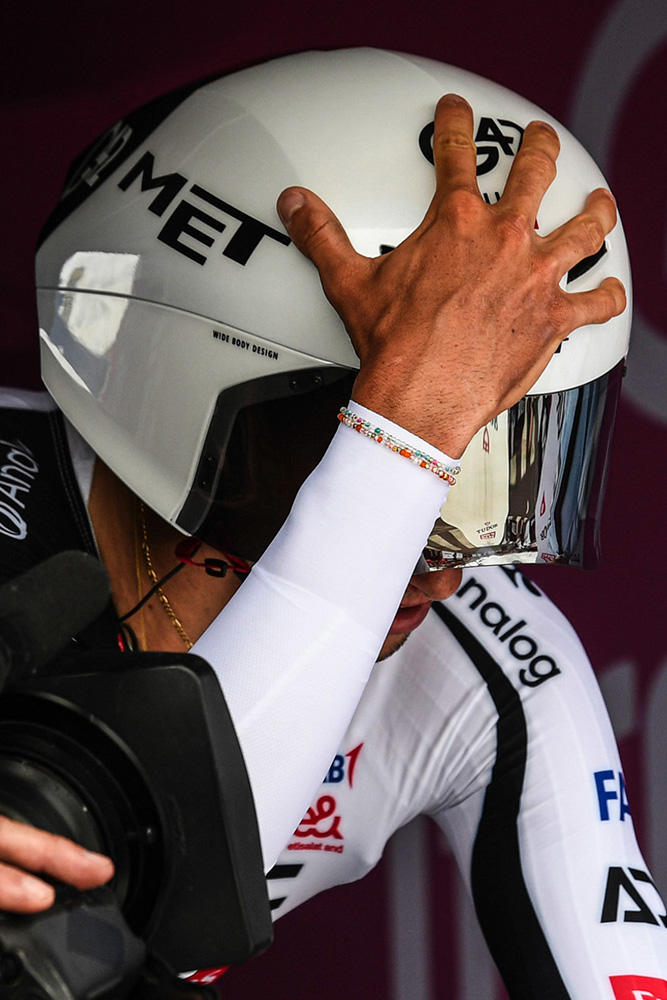
The Tour de France opens this year with a team time trial in Barcelona. For UAE Team Emirates-XRG, it will be one of the most demanding aerodynamic tests of the season. Eight riders. One 26 km course with some kickers to end. No hiding places.
It's the sort of stage that makes aerodynamics feel like an elite pursuit. The domain of WorldTour teams, wind tunnels and riders chasing yellow jerseys.
But the reality is much simpler. Air affects everyone.
And cycling has an answer for it – as a sport we’ve spent decades chasing free speed. Positions are more extreme, equipment is faster, and the understanding of airflow is more sophisticated than it has ever been – especially here at MET.
However, what makes our job most interesting is that the easy wins have already been claimed. What remains are fractions – tiny margins in favour of our riders – the kind that require years of testing, validation and, occasionally, obsession to understand properly. That has been a defining part of our aerodynamic development for more than a decade.
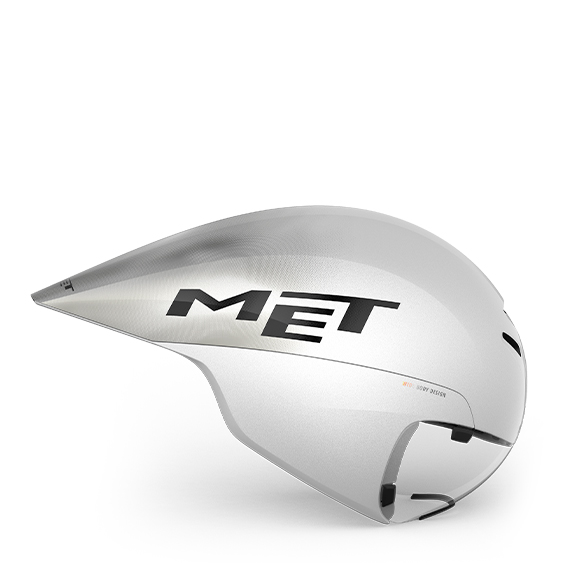
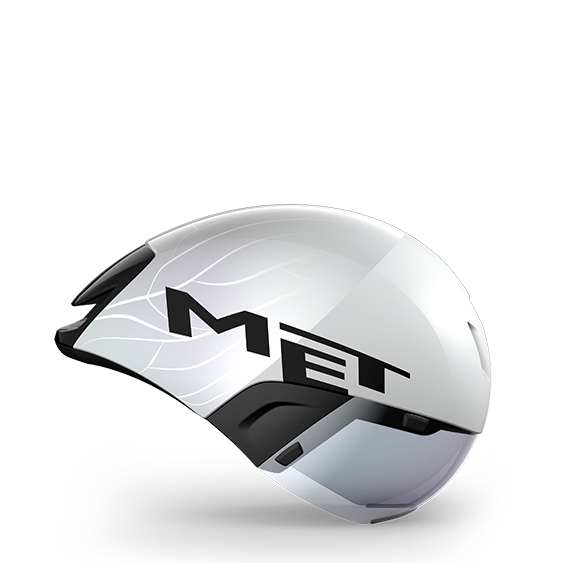
When the Drone Wide Body project launched in 2015, it arrived with a different perspective on what an aerodynamic helmet could be. Rather than working within the boundaries of the category, it pushed beyond them. The objective wasn't to make something that looked fast. It was to make something that was.
The philosophy has remained largely unchanged. What has changed is the level of precision required.
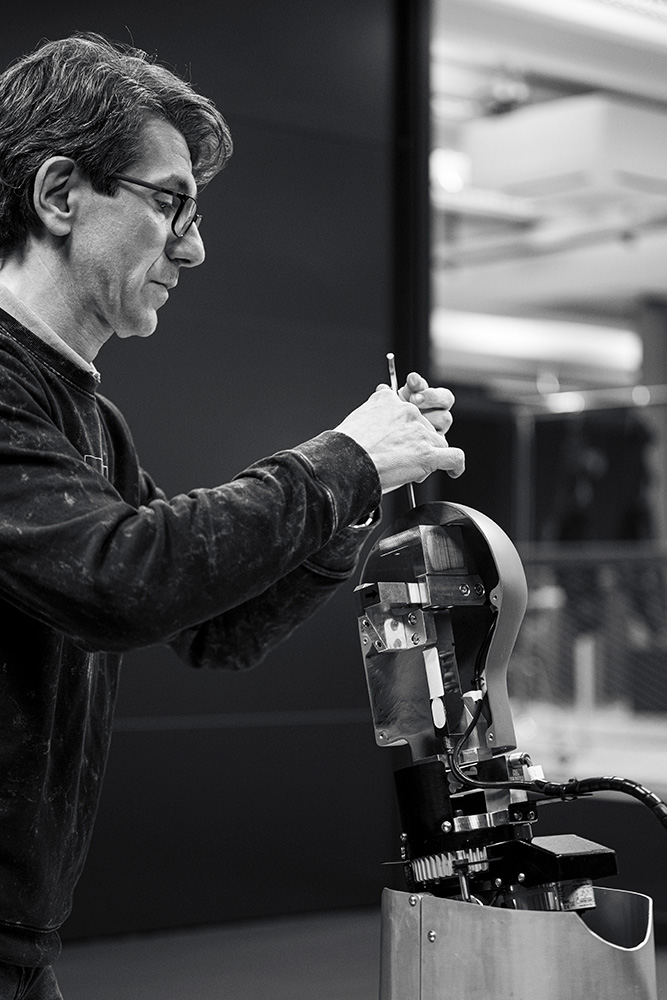
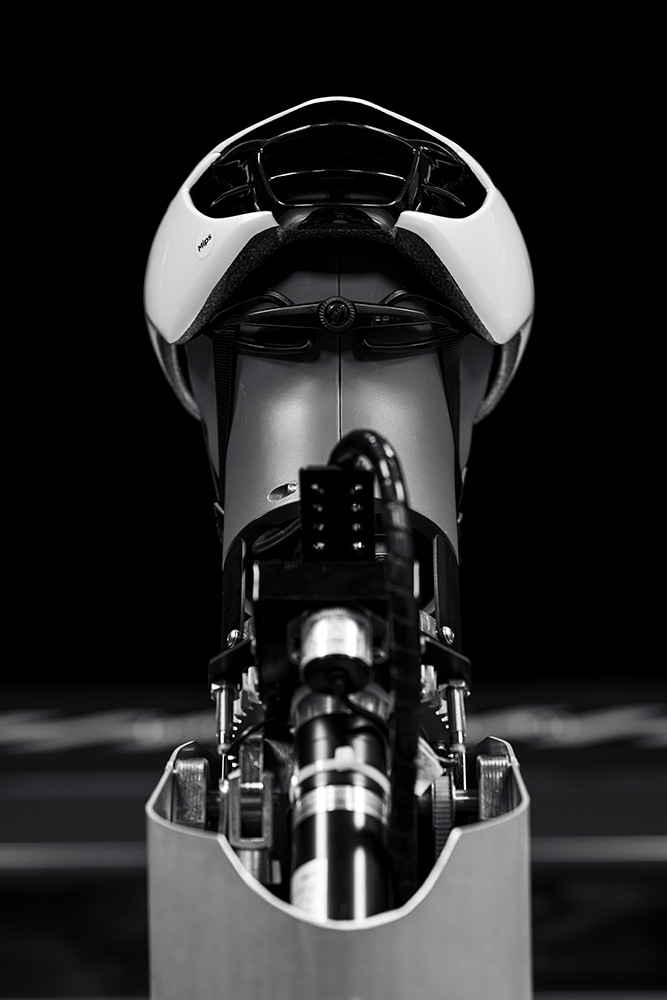
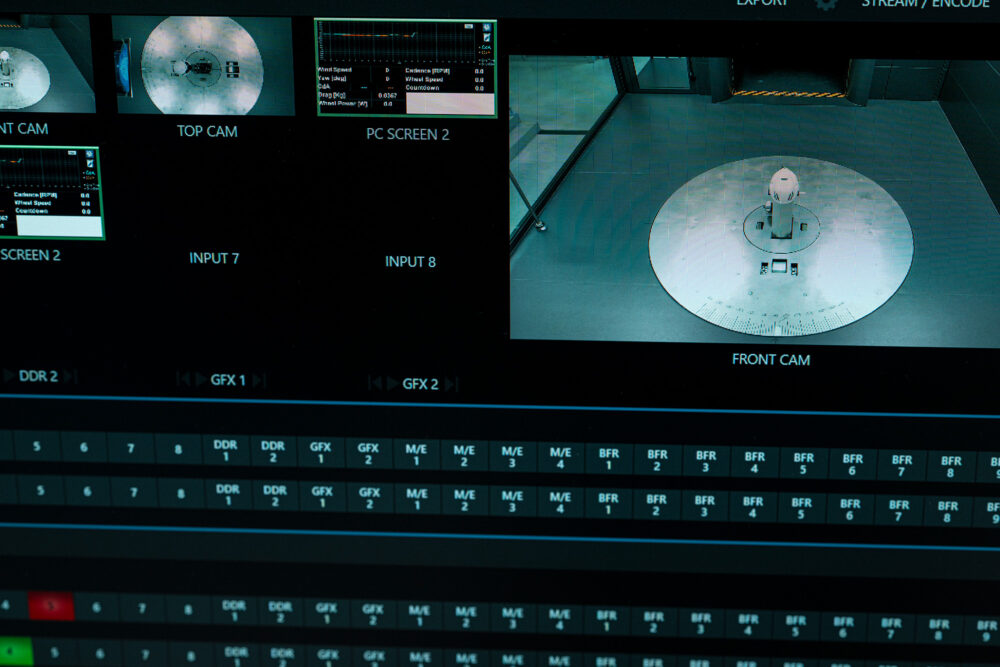
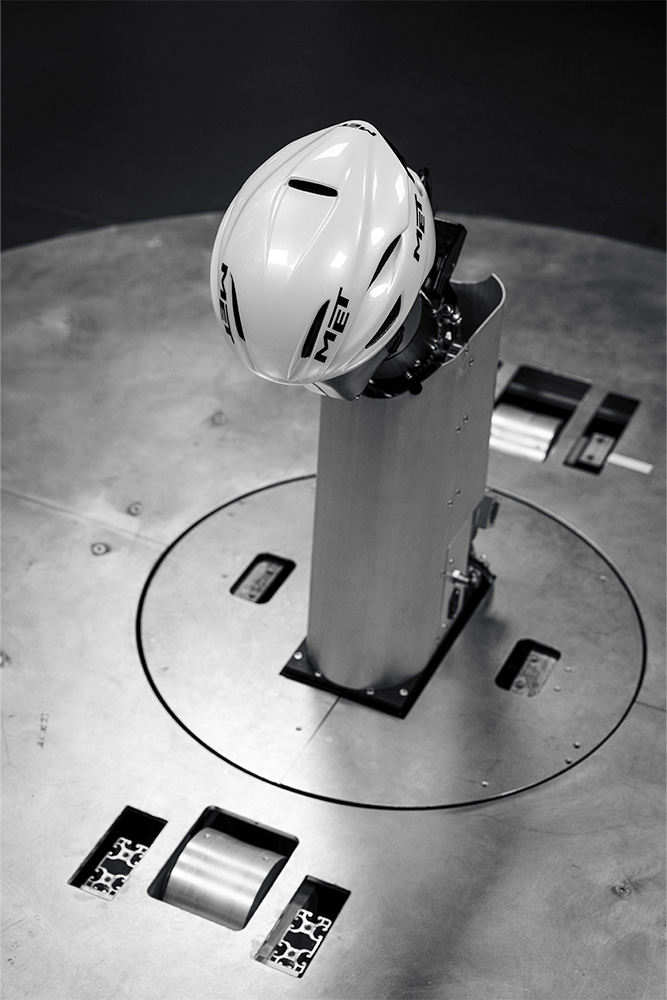
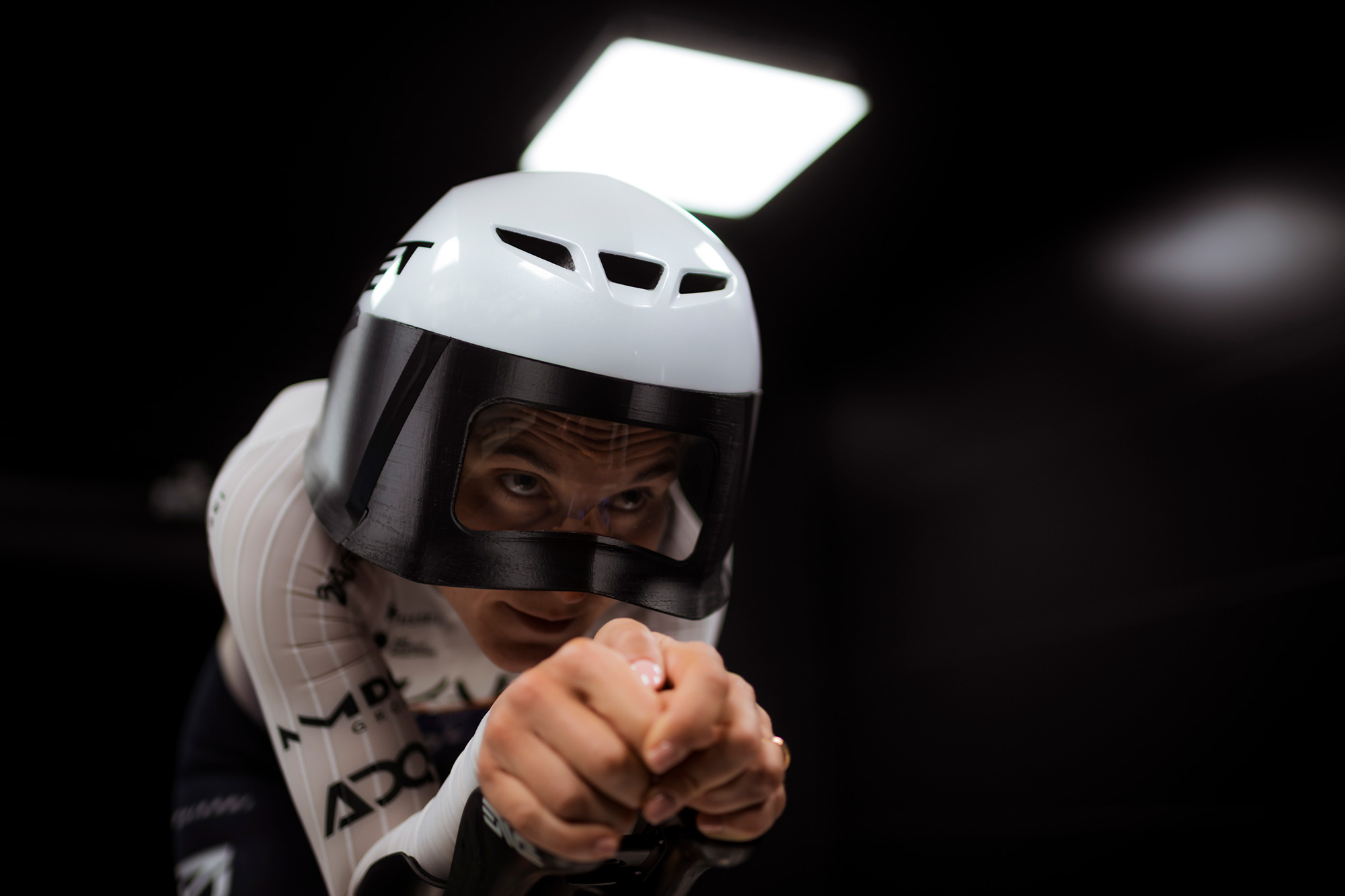
Today, development moves between CFD simulation – virtual testing that gives us estimated power gains, the rapid prototyping and physical testing inside Tube, MET's in-house wind tunnel before going to the velodrome then the WorldTour.
Professional racing provides one stream of data. Wind tunnel testing provides another. Together they create a continuous feedback loop, where ideas are challenged, validated and refined before being challenged again.
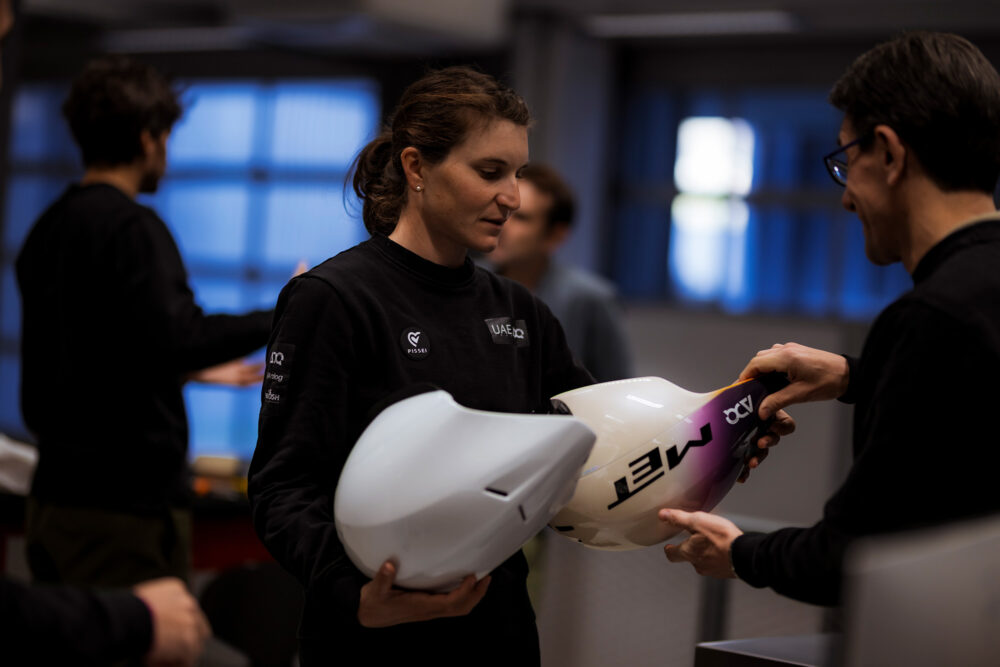
The riders involved play an important role in that process. UAE Team Emirates-XRG, UAE Team ADQ and some of the world's leading triathletes spend more time than most at the sharp end of aerodynamic performance. They help reveal where theory survives contact with reality – and where it doesn't.
Sometimes the result is a meaningful gain. More often, it is a better question.
How does a shape behave when a rider starts to fatigue? What happens when airflow arrives from a slightly different angle? How do small improvements accumulate over hours rather than minutes?
The answers matter in a Tour de France team time trial.
They also matter almost everywhere else.
Because while Barcelona provides the stage, the objective is much broader: helping riders move through the air more efficiently, regardless of where – or why – they ride.
Which is why, as the Tour de France approaches, our work continues. Not because aerodynamics has been solved. But because it hasn't.
What is the role of CAD: After sketches, every helmet takes shape in Computer Aided Design. Before prototypes or testing, engineers define its shape, ventilation and internal architecture. Hundreds of iterations later, the geometry that drives everything else begins to emerge.
What is the role of CFD: Computational Fluid Dynamics predicts how air moves around and through a helmet. Thousands of virtual simulations test airflow, pressure and ventilation long before the first prototype exists.
What is the role of prototyping: Prototypes turn digital ideas into physical ones. Using 3D printing and rapid manufacturing, concepts are tested, refined and prepared for wind tunnel validation.