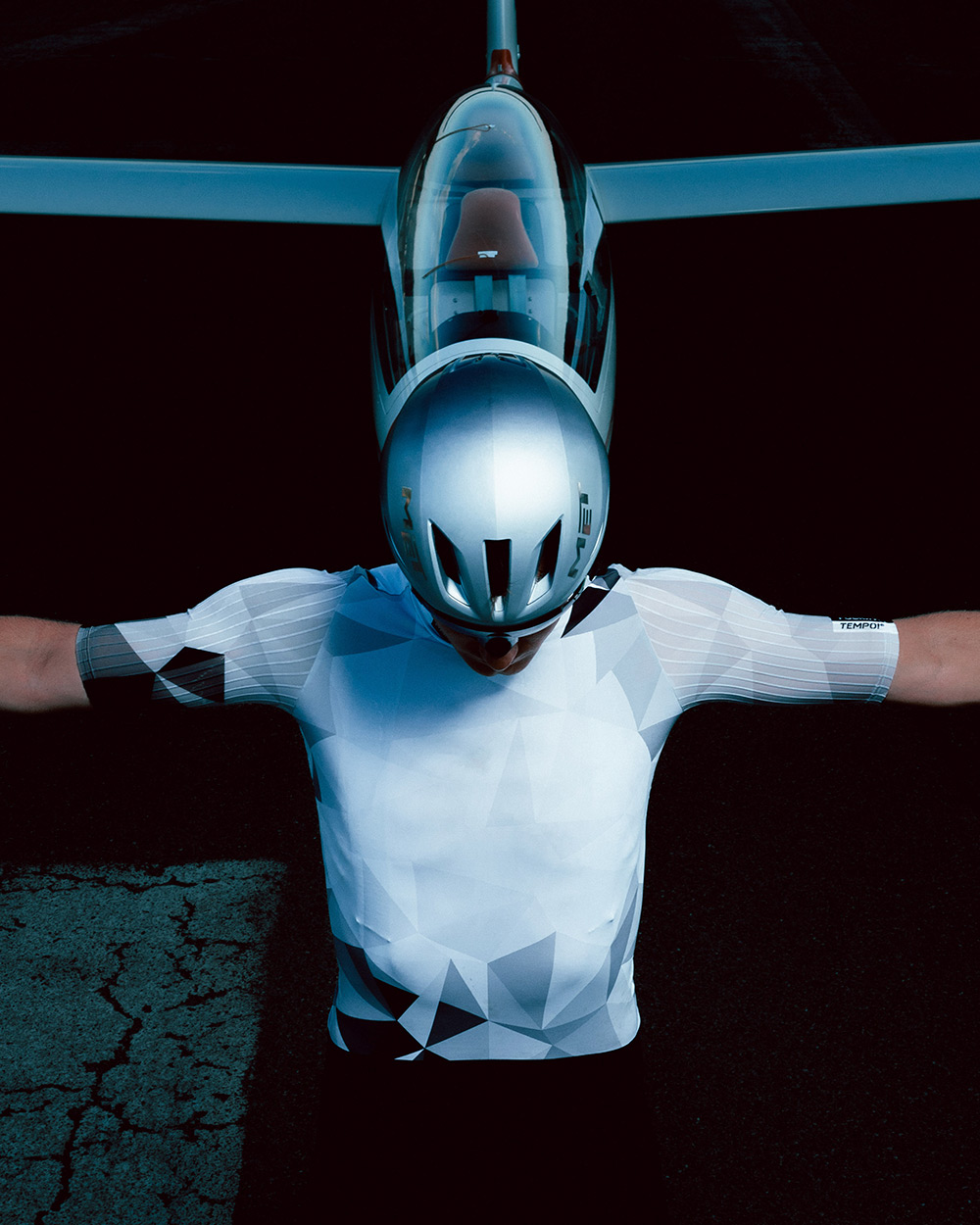
Manta 3: proven at race speed.
The Manta 3 started with a straightforward ambition: to build a race helmet that could go faster than the current model. What followed was a long series of prototypes, wind-tunnel runs and increasingly small changes, each one measured against the last as our engineers worked to find more speed in the helmet itself.
That process gave us something important: a benchmark. We knew how fast the Manta 3 could be when the helmet was treated as an individual object, and we knew where the remaining gains were hiding.
But the road is not a headform.
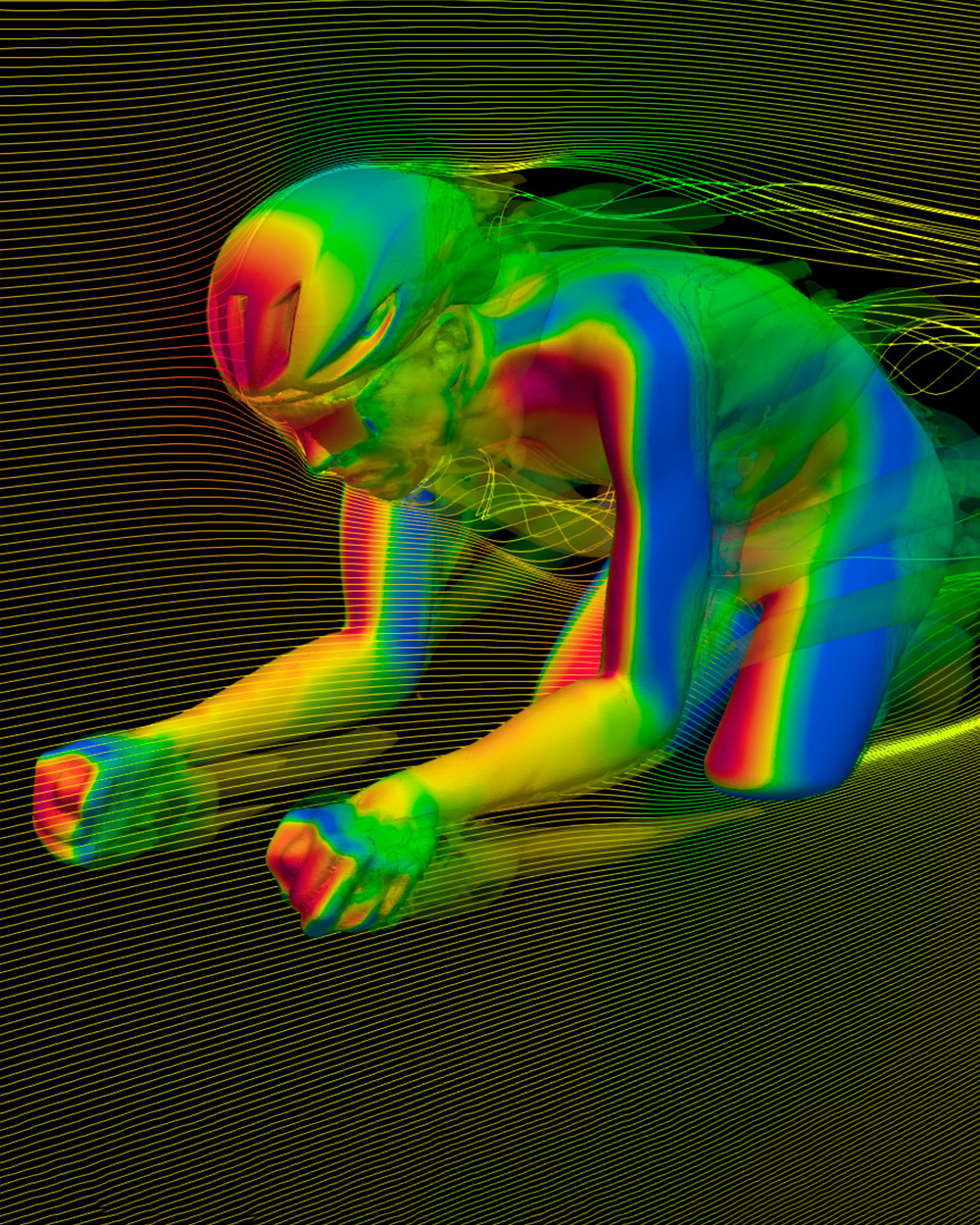
Once you’re moving, the helmet is interacting with everything around it: the position of your head, the width of your shoulders, the angle of your back and the airflow travelling across the rider as a whole. The headform gives a controlled answer; the rider gives us a more complicated one.
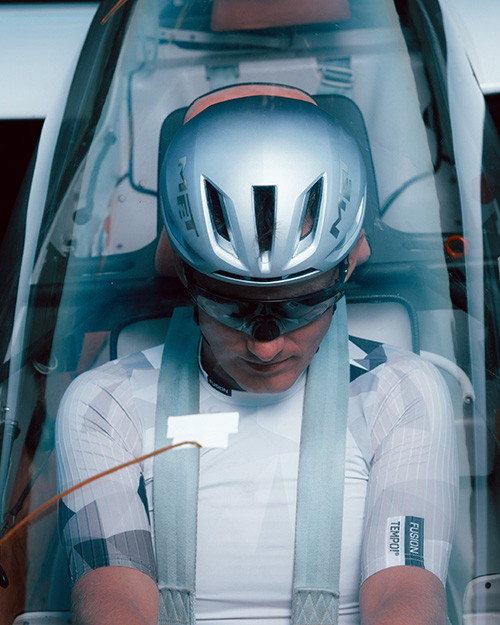
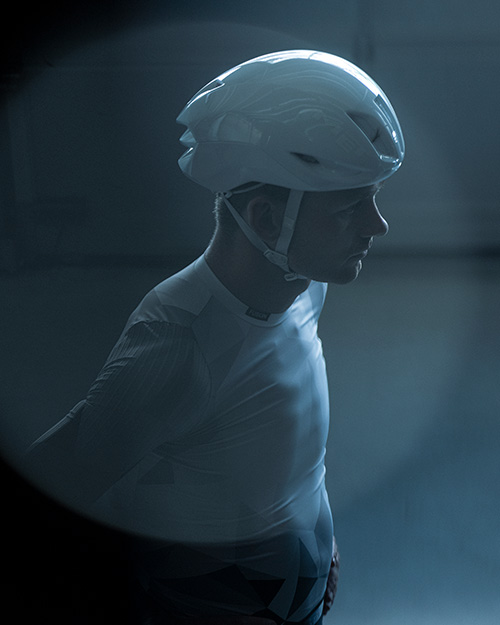
So we brought the rider into the development earlier and made them part of the process rather than simply the final test. And the principal rider in this case? Tadej Pogačar.
With Tadej in his race position, our engineers could see where the Manta 3 was already working and where the interaction between helmet and rider offered more to find. Those observations fed back into the prototypes, with further changes made to the helmet before we returned to the tunnel.
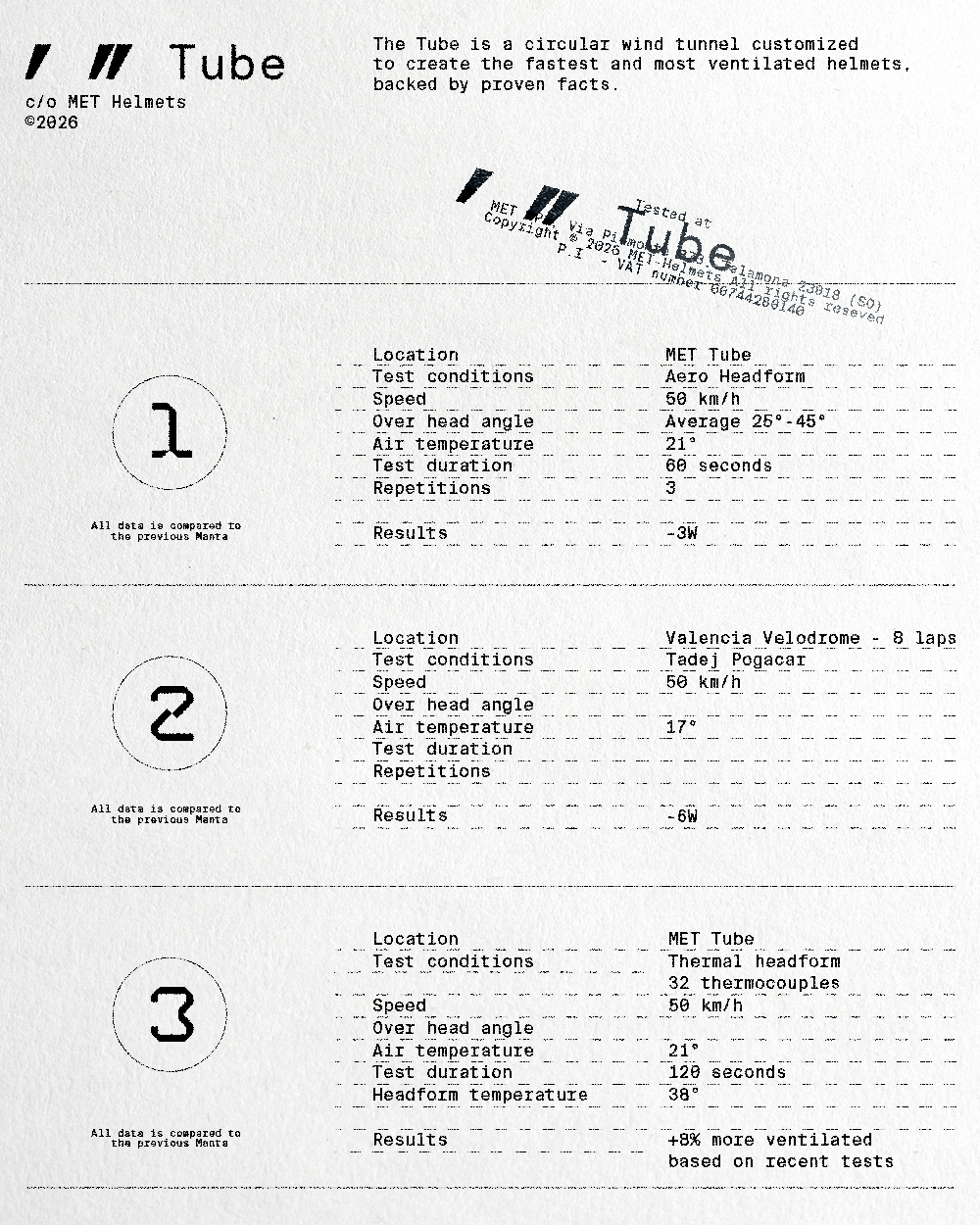
The finished Manta 3 was then tested at 50 km/h under controlled, repeatable conditions, both on the headform and as part of the complete rider. The result was exactly what we had been looking for: exceptional aerodynamic performance from the helmet itself, with another level of performance when it was tested in the context of the rider.
Developed around the rider
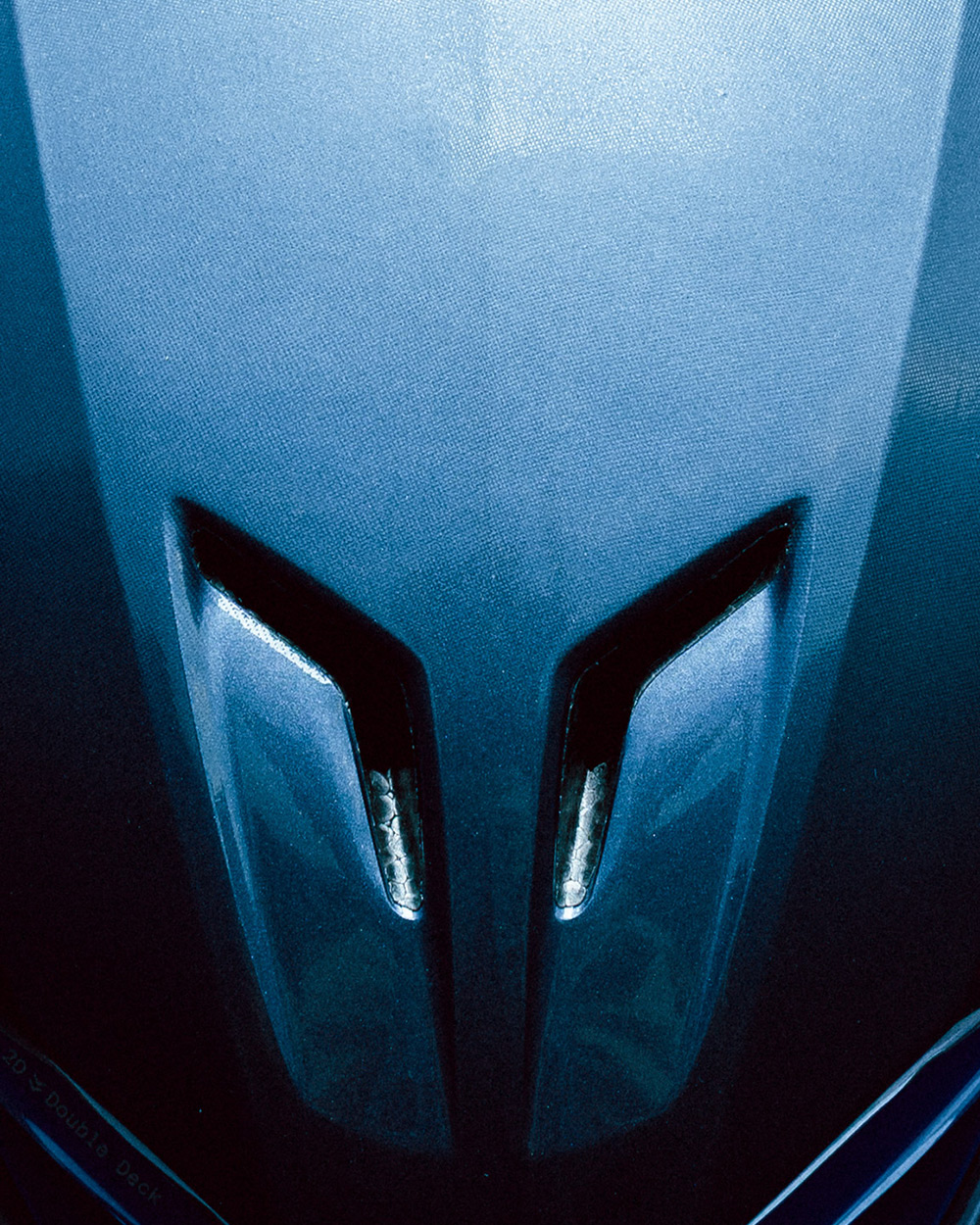
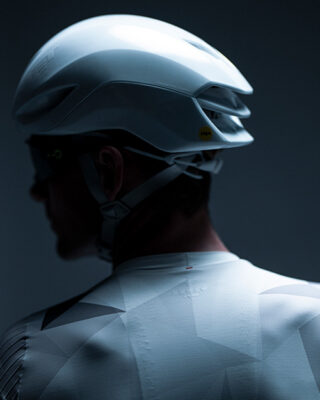
The rider testing gave the engineers another set of variables to work with, and those findings went straight back into the next generation of prototypes. The focus was never just about reducing drag around the helmet – instead, we’ve always wanted to understand how air enters, moves through and leaves a helmet once it is within the rider’s aerodynamic profile.
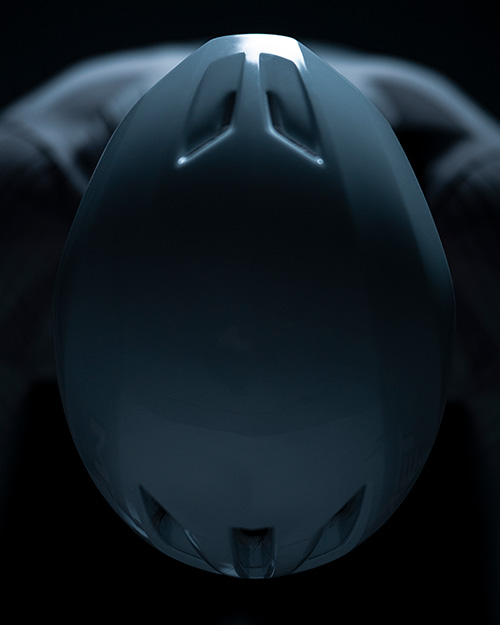
That meant revisiting the internal channeling, as well as the inlet and exhaust vents, and looking at how changes in one area affected the airflow through the rest of the helmet. Rather than optimising each element independently, the aim was to make the whole system work more efficiently – from the moment the air meets the helmet to the point where it leaves it.
The result is a series of changes that work together, developed around the rider and refined through repeated testing.
Tested at 50 km/h
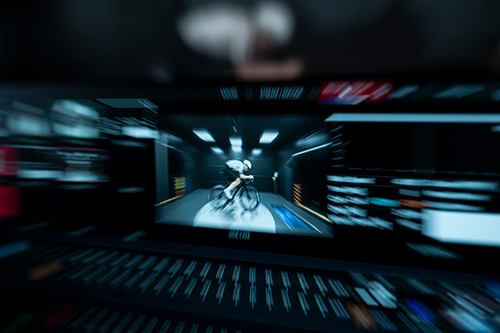
With the development complete, we went back to the wind tunnel for the final round of testing. At 50 km/h, under controlled and repeatable conditions, the Manta 3 was again measured both on the headform and in the complete rider setup.
This gave us a direct comparison between the aerodynamic performance of the helmet itself and what happens when it becomes part of the rider. It also gave us the conditions to measure the gains made throughout development and establish the final numbers.
Results
This isn’t a prototype looking for proof.
The wind tunnel gave us the numbers.
Racing gave us the answer.
And the results are already on the board.