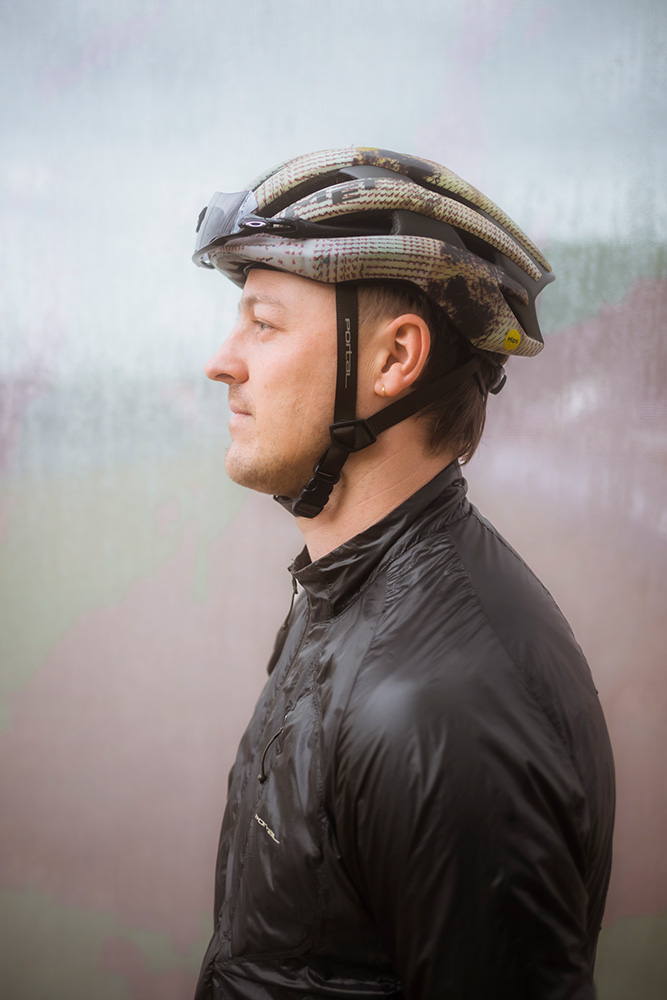
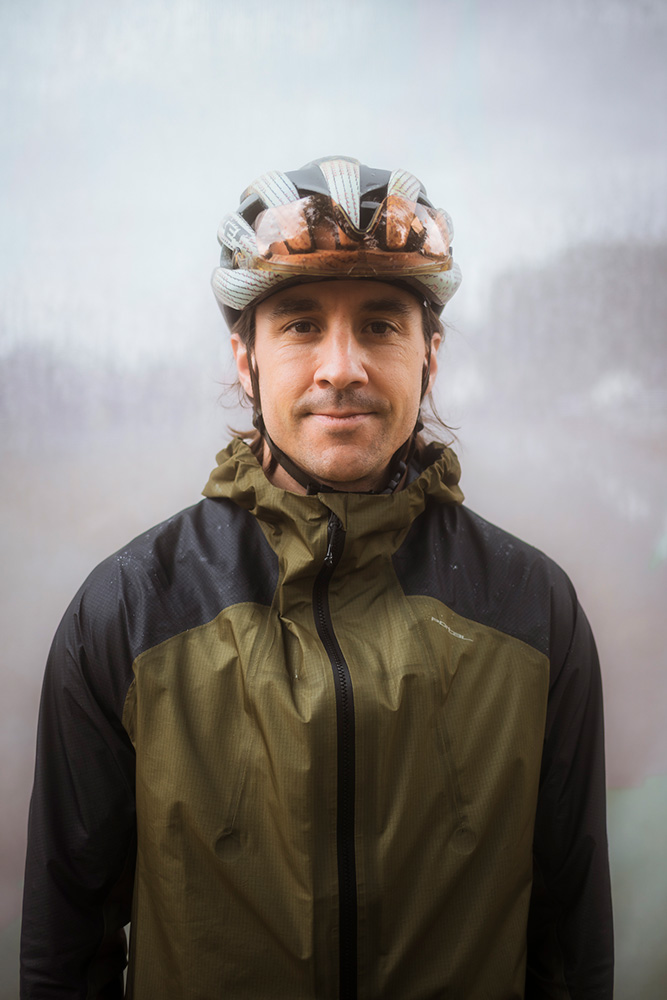
Tools for horizontal gains with Portal® MET Trenta
Trade Winds
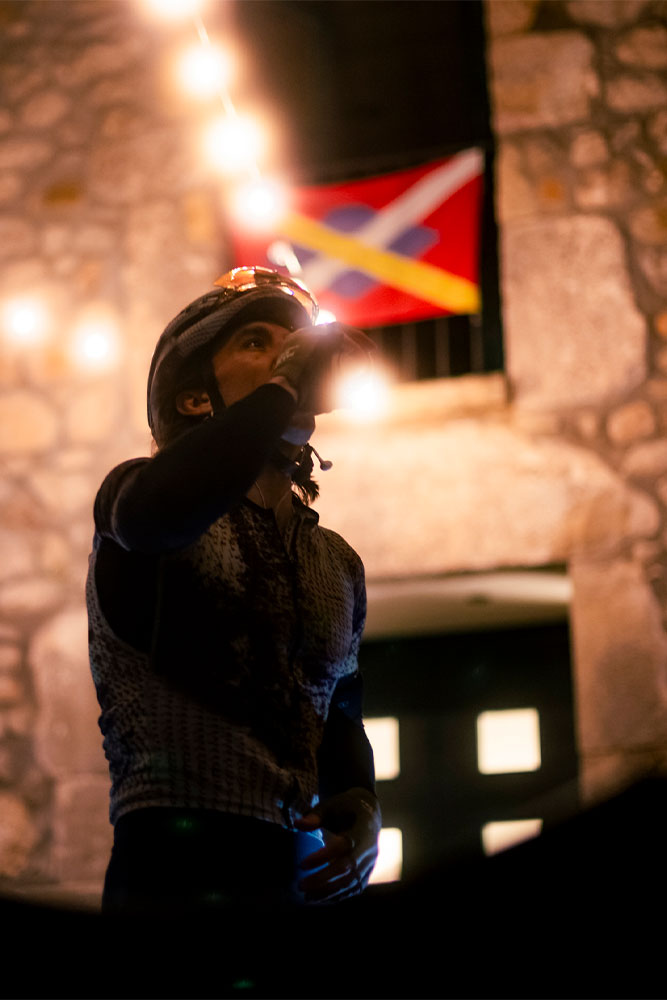
At 11PM in the village of Albanyà, the café is still serving food.
This is also where we’re recording the latest episode of the Helmet Podcast – documenting the first collaboration between MET Helmets and Portal not in a studio or controlled test environment, but several hundred kilometres into the longest route at The Traka, where riders arrive exhausted, sleep deprived and moving entirely on instinct.
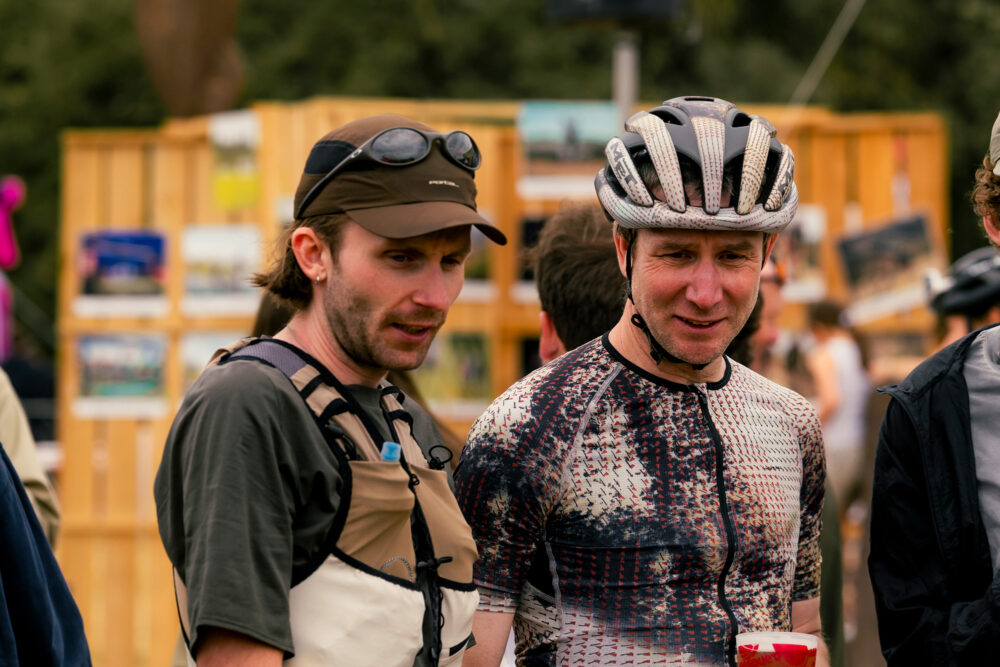
Outside, local life has spilled into the square while children run between tables with the kind of late night energy you only ever really encounter in Mediterranean towns. Riders drift in from the 560 km route with the slowed-down focus of people who have been outside for a long time already.
Some stop briefly. Refilling water bottles. Sugary drinks. Salty crisps. Choosing their layers for the night shift. Others relax their focus on time and distance, this cafe staying open through the night so riders can refuel, feeling like a destination, rather than a point on route. The inevitable pressure of the dark hours ahead on everyone.
For Portal, a young outdoors brand interested in endurance, this environment makes sense immediately. The Traka 560 Adventure isn’t really a normal bike race. It’s a moving study in what happens to people (and their equipment) once distance starts stripping things back to their essentials.
That’s the point where design stops being theoretical.
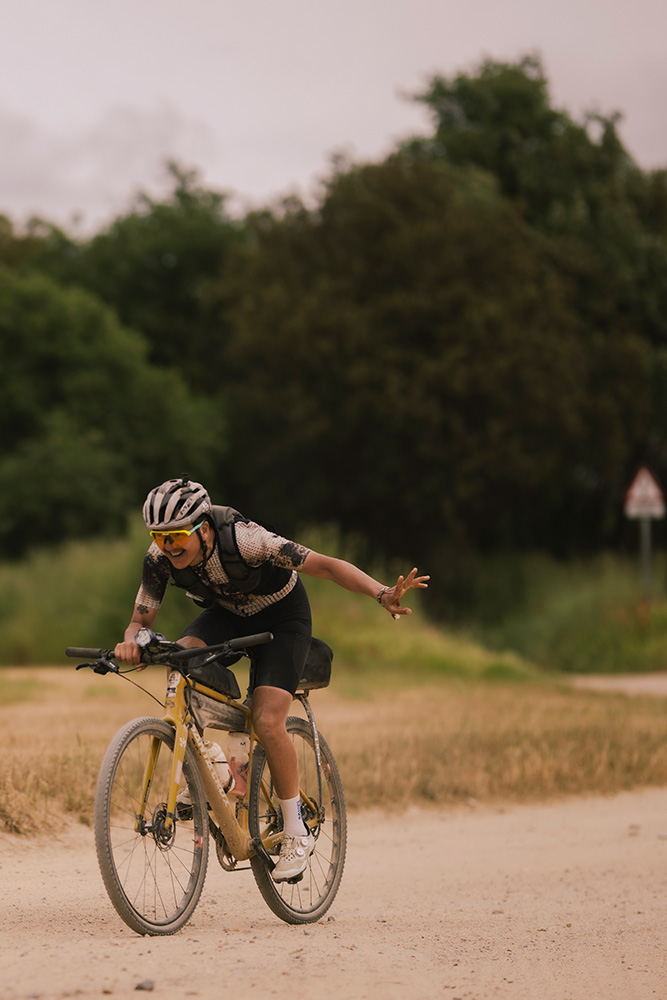
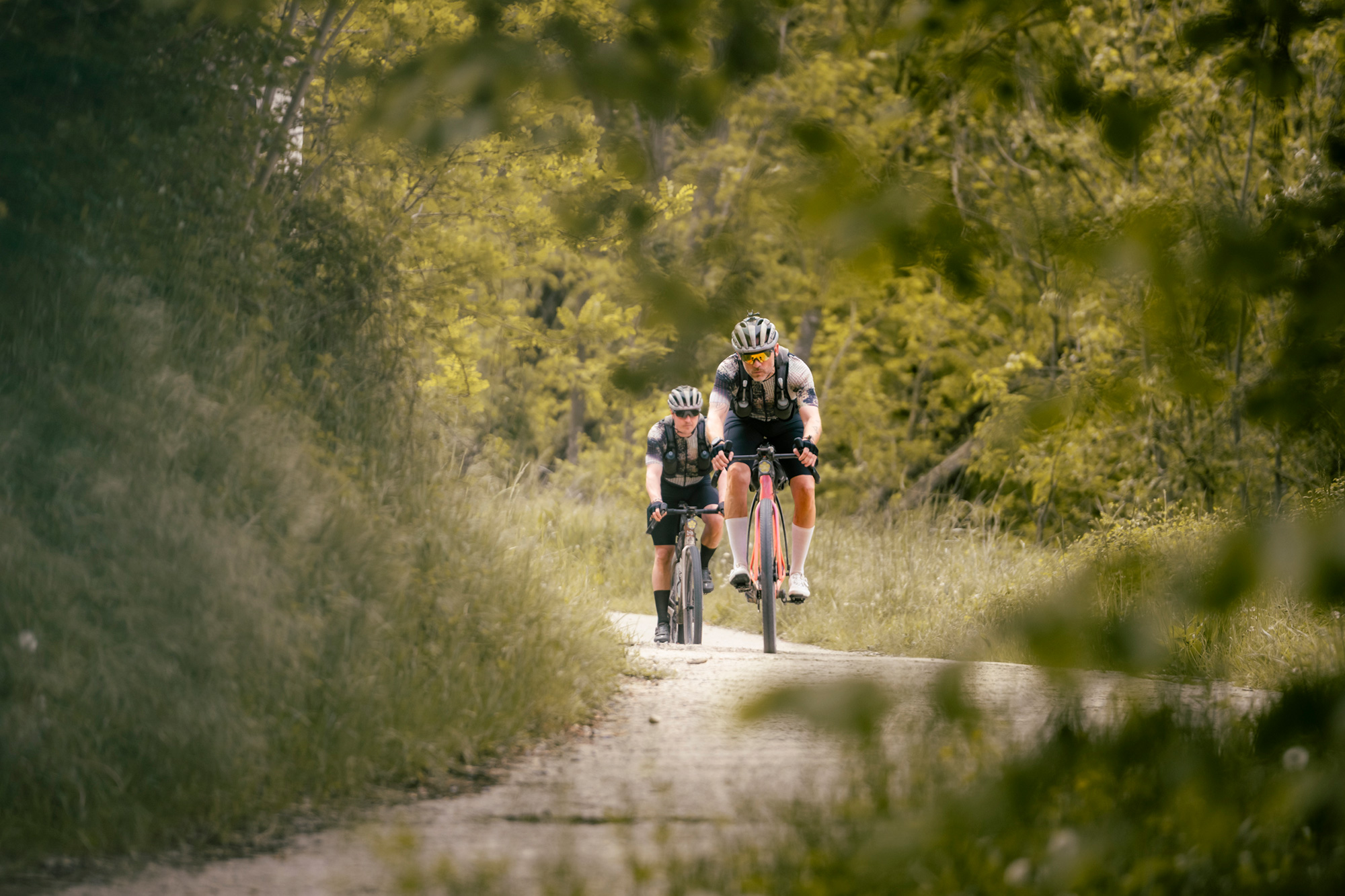
The Traka 560 leaves Girona around sunrise, climbs into the Pyrenees through snow-capped peaks and exposed gravel tracks before swinging eastwards towards the coastal plains, then eventually looping back towards the city sometime much later. Riders approach it differently. Some race aggressively. Others divide it into manageable chunks, sleeping outside or inside wherever fatigue finally forces their decision.
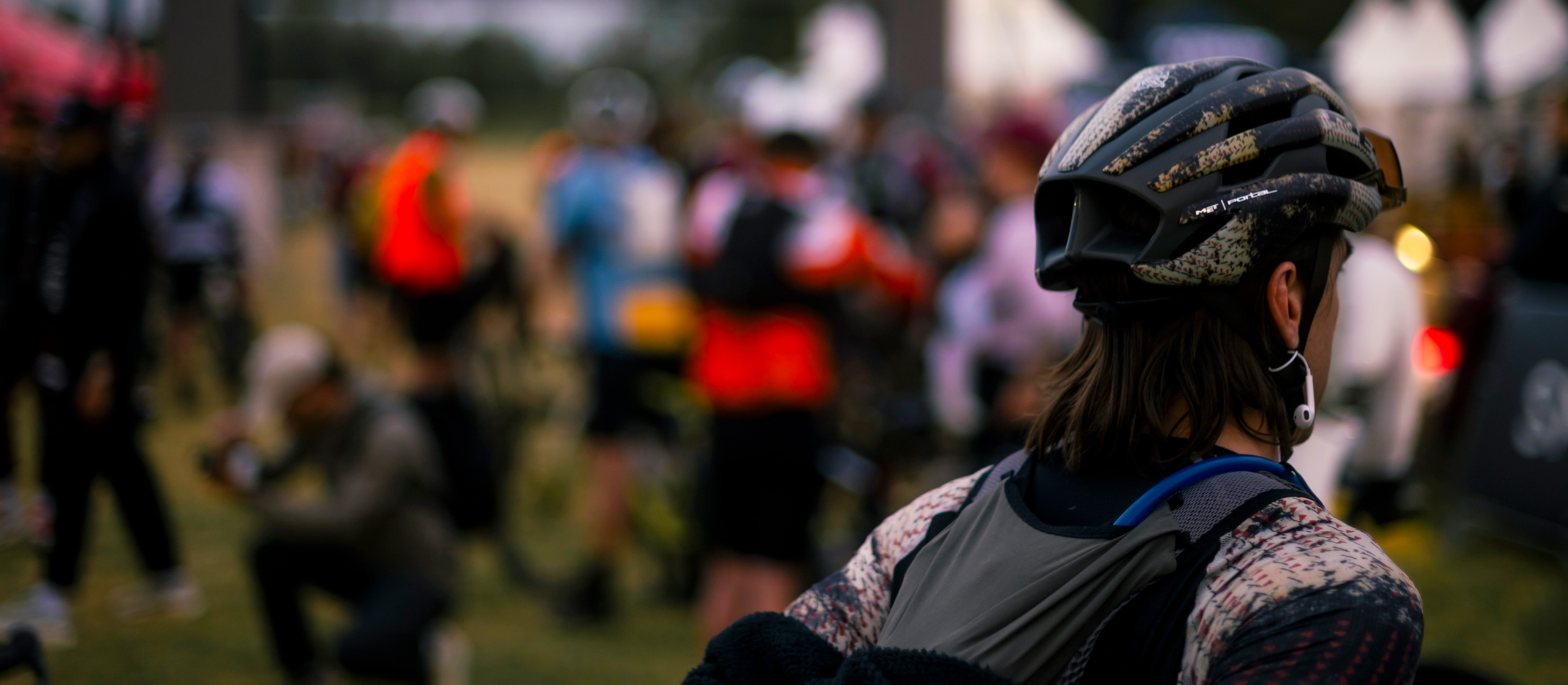
Steve Willis from London’s Benchmark store is still moving steadily through the course when we see him arrive in Albanyà slightly behind schedule but otherwise composed. Within minutes he’s refuelled and gone again, disappearing back into the night with the efficiency of someone trying not to lose momentum.
Elsewhere on the route, the London-based friends James, Graeme and Anto are riding the same distance very differently. One planned bivvy will eventually become two nights in hotels along the route. The distance is making decisions for people now.
That’s the thing about spending enough time around ultra-distance riding. Eventually the conversation around equipment changes too.
Aerodynamics, weight and performance still matter. But after enough hours outside, design starts being judged by different criteria entirely: comfort, temperature regulation, fatigue, practicality, whether something continues functioning properly once the rider stops functioning perfectly themselves.
Which is precisely why this collaboration made sense in the first place.