Parachute MCR 2:
    Everything you
    need to know

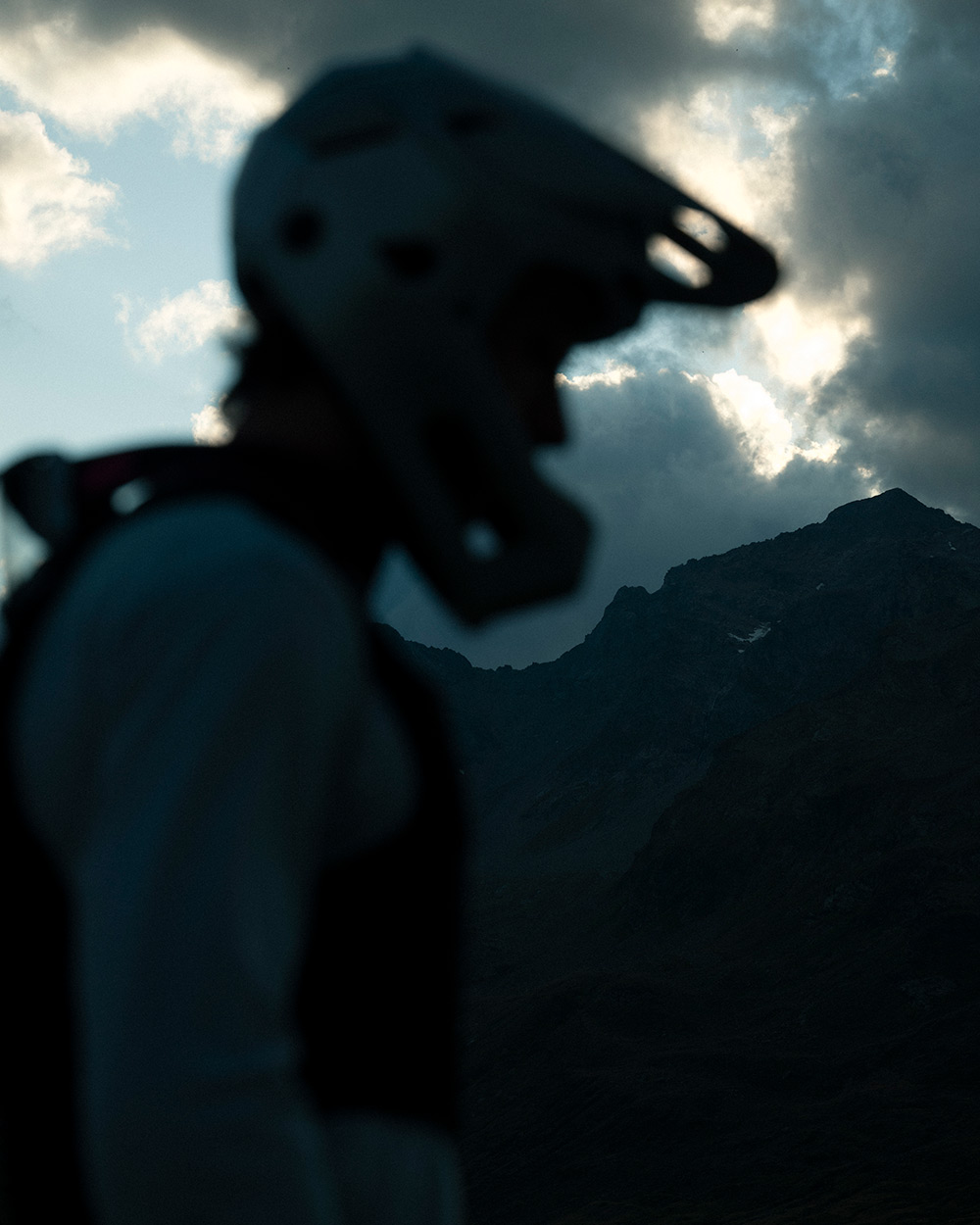
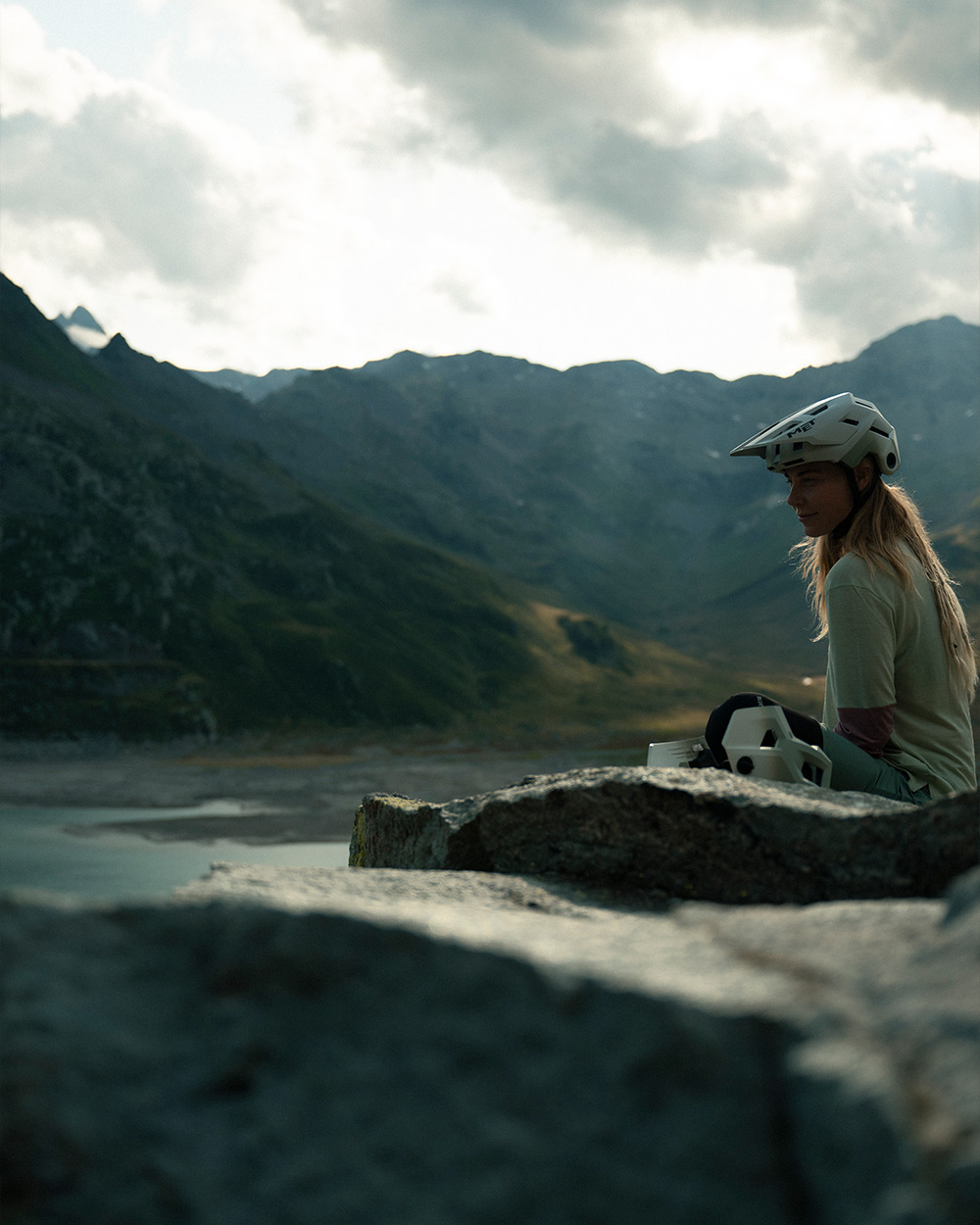
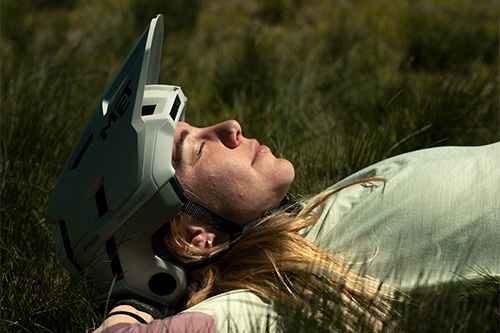
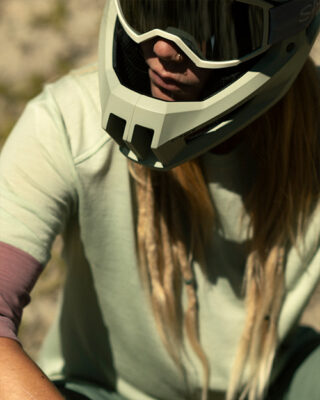
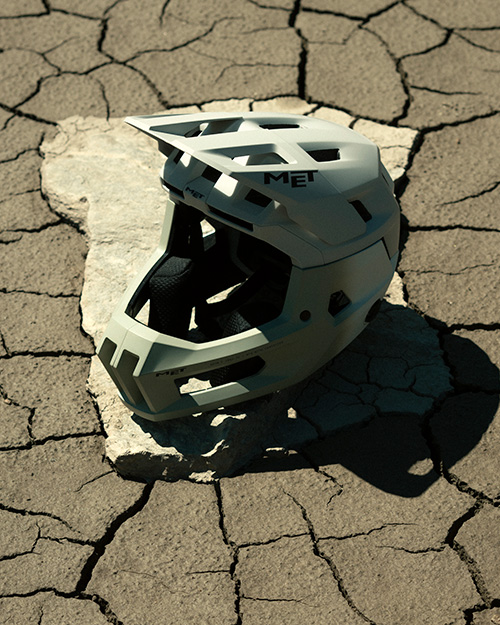
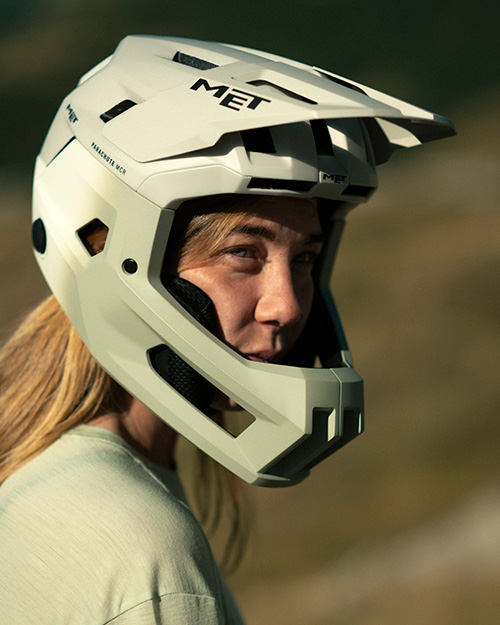
    A convertible full-face helmet for enduro and E-MTB. The removable chinguard lets you switch in seconds between full-face and open-face, depending on the terrain.

    What is the Parachute MCR 2?


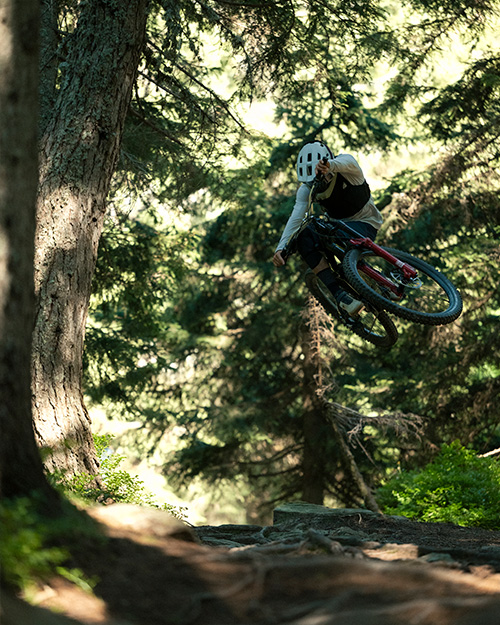
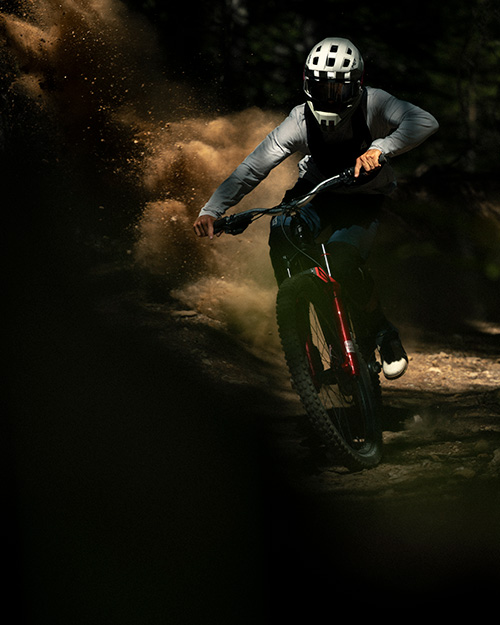
    As the second-generation Parachute MCR (Magnetic Chinguard Release) and the third generation of the Parachute, it’s developed for the kind of riding that's becoming increasingly familiar: long, techy climbs with even techier descents, and plenty of time moving between the two. E-bike or analogue. When the trail gets technical, it gives you the confidence of a proper full-face. When you're climbing, you want something lighter and cooler. The challenge was making one helmet do both without compromising either, and that's where most of the engineering has gone.

    How safe is the Parachute MCR 2?


    Safety is the first thing we design for. As crashes almost never follow a standard test protocol – with impacts varying in speed, location, energy and direction – we knew we had to design the Parachute MCR 2 around multiple certifications instead. Accordingly, it is certified to CE, CPSC, NTA 8776 and ASTM, with Mips® safety system technology integrated to help manage rotational motion in certain impacts.

    - CE and CPSC are the mandatory baselines for bicycle helmets.

    - NTA 8776 is developed for speed pedelecs and tests higher speeds, a bigger surface of the helmet, and – importantly – higher impact energies.

    - ASTM includes a direct impact to the chinguard, which is particularly relevant to full-faces.


    How was the Parachute MCR 2 tested?


    Before production began, our engineers analysed 823 individual impacts to build a detailed performance profile for the helmet.


    This in-house testing covered different impact locations, helmet sizes, anvil shapes and energy levels. There are 16 different locations for the flat anvil alone, with additional locations for other anvil configurations. The result is effectively an ID card for the product. If we take a size M helmet from production and test it at a specific location, such as F16, we know what kind of result we should expect.


    But our testing doesn't stop when development does: manufacturing involves tolerances, and factors such as temperature can create small variations in materials and processes. We now continue to test production batches against the data established during development. So we can take a helmet from production today, or a year from now, and check it against the same reference. That level of control is an important part of how we approach safety.

    How does the new magnetic chinguard system work?


    The Parachute MCR 2 uses a revised magnetic chinguard release system that we co-patented with Fidlock.


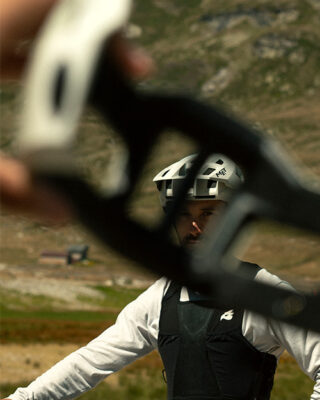
    The magnets assist the mechanism rather than simply holding the chinguard in place. With a half turn, the mechanism unlocks and the chinguard can then be pulled away from the helmet.


    To put it back on, connect the front of the chinguard first using the metal spine, one side and then the other, keeping one hand on top of the helmet. Once the upper and lower mechanisms are aligned, it clicks into place and you close the buckles.


    We recommend practising the movement before your first ride. The more familiar you are with the mechanism, the easier it is to switch configurations when you are out on the trail.

    What is inside the Parachute MCR 2?


    A lot of the work is hidden inside the helmet.


    The Parachute MCR 2 combines a polycarbonate shell with an internal system of structural cages designed to help dissipate energy. The spiderweb-like elements are integrated into the construction rather than simply added as visible features.


    The challenge for our engineers was to create a structure that could deal with higher impact energies while keeping the overall volume, ventilation and comfort of the helmet under control.


    That balance is one of the reasons convertible helmets are technically demanding. You are not simply adding a chinguard to an existing open-face helmet. The entire system has to work together.

    Is the Parachute MCR 2 more ventilated and lighter than the previous generation?


    Yes to both.


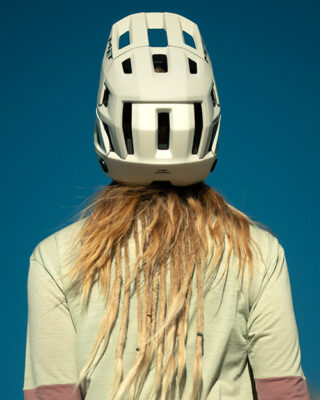
    25% more ventilated than the previous generation. Using a head form at TUBE, our in-house wind tunnel and advanced thermal testing facility, we’ve built a heat map of the helmet, showing how efficiently air moves through the channels and where heat builds up. That has let us tune individual vents, and improve even the airflow around the visor.


    100 g lighter than the previous generation. But weight wasn't even the first target. Safety, the new chinguard and all-day comfort came first. Getting the weight down meant changes throughout the shell, EPS density and internal structure. The result is a lighter helmet that also addresses higher impact energies and multiple certification requirements.

    What is the new Super Visor?


    The Super Visor is an adjustable visor that's engineered as part of the helmet, not bolted on as an afterthought.


    Here's why that matters: Crash lab tests are usually run with the visor removed, because a visor can change how the shell behaves in an impact. But nobody rides without one. So we treated it as a real part of the crash equation and designed it to stay out of the way when it counts.


    Hit it from below and it detaches. Hit it from other angles and it flexes instead of acting like a rigid lever on the shell. Either way, it doesn't add unwanted forces to the impact.


    It's also easy to live with day to day: tilt it up to make room for sunglasses or goggles.

    Is the Parachute MCR 2 suitable for long E-MTB rides?


    That is exactly the type of riding it was designed around.


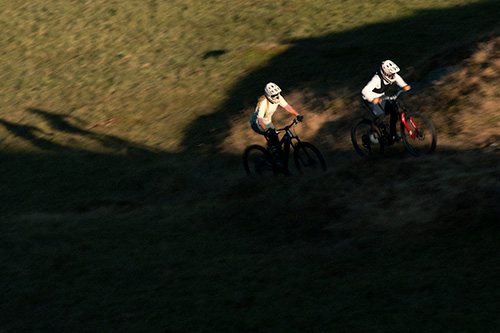
    E-MTB has changed what a single ride can look like. You can spend a long time climbing before reaching a technical descent, then move between different types of terrain for several hours.


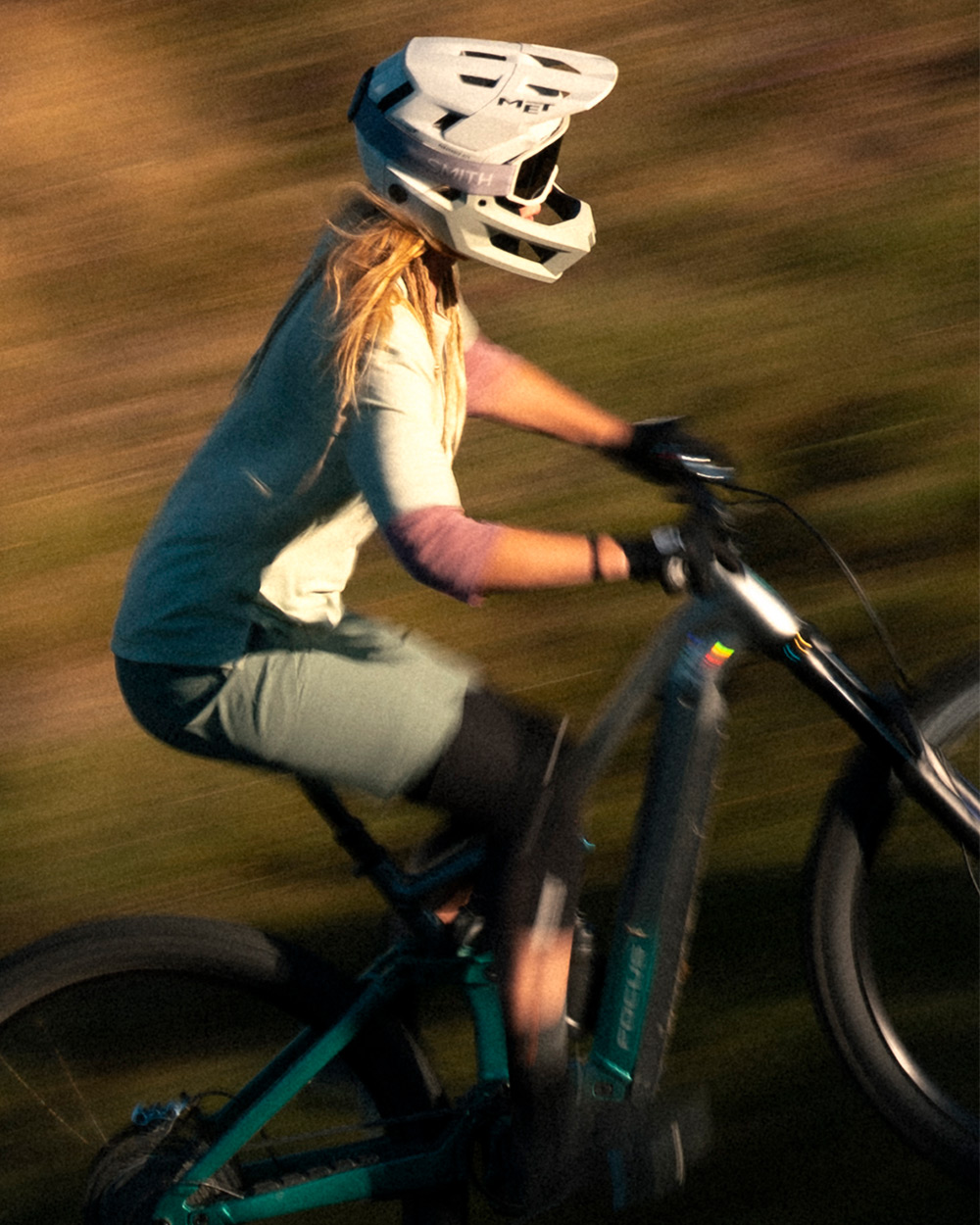
    The Parachute MCR 2 gives you the option of riding open-face when ventilation and comfort matter most, then adding the chinguard when you want the coverage and feel of a full face.


    The goal is not to make you choose between a full-face helmet and an open-face helmet before you leave home. It is to give you one helmet that can adapt as the ride changes.

    What is new compared with the previous Parachute MCR?


    The Parachute MCR 2 is a complete evolution rather than a set of updates: 


    The main changes include:


    - A new magnetic chinguard release system, co-patented with Fidlock

    - Multi-standard safety testing and certification

    - Testing against higher impact energies

    - 25% improved ventilation

    - 100 g lighter

    - The new adjustable Super Visor

    - An updated internal energy-management structure

    - More extensive impact testing during development

    - Detailed production testing to monitor consistency


    We wanted all of that without changing what makes a convertible worth wearing: a helmet designed for the whole ride, with the protection of a proper full face available when you need it.


    Born in enduro. Evolved for E-MTB.

    📦 UPDATE ON SHIPMENTS & DELIVERY 📦

    We inform you that for internal logistic reasons, orders placed from Friday afternoon 9th to Monday 12th May will be processed from Tuesday 13th May.

    📦 SUMMER BREAK NOTICE 📦

    Our offices and warehouse will be closed from August 8 to August 17 for the summer break.
    Orders placed during this period will be processed as soon as operations resume, and shipments may experience slight delays.

    Thank you for your understanding and happy riding. 🚴 🚴🏻‍♀️